
Hoosiers are urged to consider each proposal on its individual merits this November, as voters statewide face a record number of school referendums and ongoing discussions about data center developments. While both issues often draw opposition, neither is inherently bad, according to observers. Residents are encouraged to weigh all factors involved before casting their ballots.
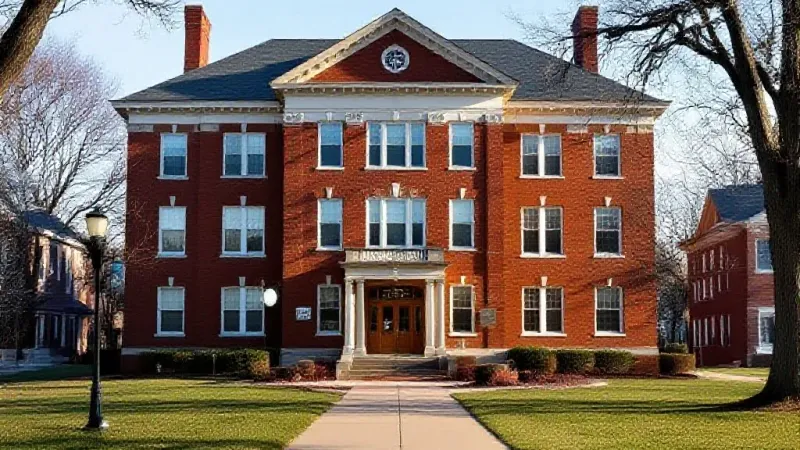
Thirty-eight school districts across dozens of Indiana counties are seeking voter approval for property tax referendums this November. This marks a record number for a single election in Indiana. Most of these requests are for additional operational dollars, though some also seek funding for construction and public safety levies. This unprecedented number of referendums has been spurred by state lawmakers’ recent limits on when school districts can present these requests to voters. Under the new law, school districts are restricted to bringing such requests forward once every two years, a change from the previous maximum of twice a year.
In response to these proposals, Americans for Prosperity’s Indiana chapter has launched a targeted digital ad campaign. This campaign specifically urges voters in various counties across Indiana to vote no on the school property tax referendums. The group emphasized that "Government spending accountability should come before tax increases," and stated their aim was to ensure voters had the necessary facts before November's polls. However, critics argue this blanket opposition is "bad for Indiana," emphasizing that each community has its own specific needs that voters should take into account when casting their ballots. Important context, according to the source material, should inform voters' decisions on these referendums.
Beyond school funding, discussions around data centers continue to be a significant topic across the state. Hoosiers have previously revolted against what are described as "hyper-scale projects" due to their substantial consumption of electricity and water. This widespread concern has led dozens of counties and communities to implement either temporary or permanent restrictions on such developments. Despite this local opposition, the growth of data centers receives support from other factions. Many state Republicans, for instance, support their expansion. Furthermore, President Donald Trump believes these centers are important for the United States to win the global artificial intelligence race with China. For communities facing a proposed data center, there are key things to consider, according to the source.
Ultimately, both school referendums and data centers are not inherently negative if all relevant factors are carefully considered and local communities are allowed to make their own decisions. The emphasis remains on informed local consideration rather than automatic opposition.