
The rapid buildout of artificial intelligence (AI) infrastructure in Indiana is mirroring concerns raised by figures like Bill Gates, Elon Musk, Sam Altman, and Dario Amodei regarding the swift advancement of AI capabilities. Jacob Coxon, a researcher with Anthropic, publicly resigned to underscore the potential threat AI poses to humanity and the “reckless nature” of its development by major U.S. tech firms. Executives from companies including Anthropic, OpenAI, Google, and Microsoft have since emphasized the need to pace AI’s development within safety bounds. Microsoft CEO Satya Nadella, for instance, emphasized that AI development must work for humanity and remain under human control.
Despite community pushback, Indiana ranks 4th among states for data center build attractiveness, according to CNBC. This growth comes with significant financial benefits for some, as a recent report by Good Jobs First revealed that Amazon alone received $561 million in Indiana sales tax exemptions in 2025. Locally, details have been unveiled regarding a long-expected Meta data center campus in Boone County. In response to this rapid expansion, a framework focused on how residents and local officials can shape beneficial investment has been proposed: pause, plan, and protect.
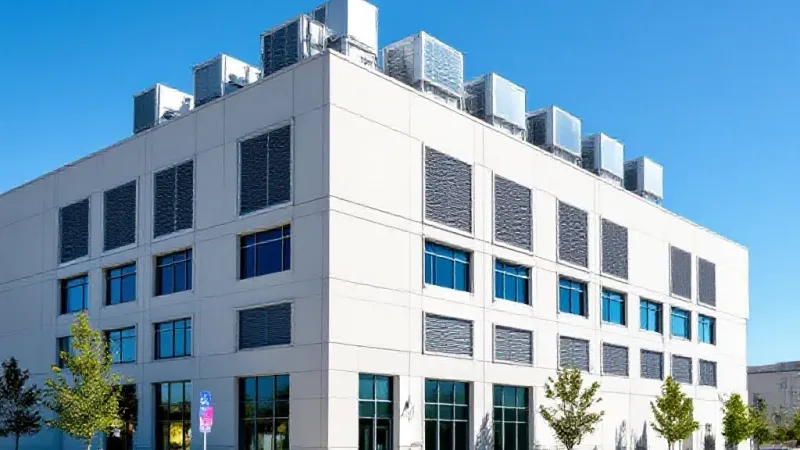
The first step, **pause**, involves taking time to understand the long-term resource demands and environmental impacts of AI data centers. A single AI data center can exceed the energy demands of a city the size of Indianapolis. Both their cooling systems and new gas power generation are significant water users. Without careful study and monitoring of elements like river flow and the water table, communities may not fully understand the impact on local wells, agriculture, aquatic ecosystems, and other areas reliant on a plentiful water supply. Transparent information about water discharge is also crucial to ensure harmful substances are removed before water returns to the cycle.
In many cases, data centers are extending the life of coal, which is described as the “costliest and dirtiest form of energy,” impacting health, the environment, and increasing electricity bills. Off-grid power solutions, such as the reciprocating gas engines proposed for Meta’s data center campus in Boone County, are noted as both noisy and dirtier than grid-connected energy. The massive resources of energy and water needed will require additional infrastructure. Communities deserve to know the comprehensive costs of this infrastructure, who will pay for it, how AI data centers will be powered, and the impact to their air, water, and health. If these questions lack answers, it is suggested that any approvals be paused.
The second component, **plan**, encourages proactive planning to attract the type of sustainable development communities desire. Setting clear expectations through ordinances and public communication can inform developers about what is expected. This includes maximizing new clean energy, preserving sensitive natural areas, and requiring transparency around water use and discharge. For example, a new Google data center in Minnesota is supported by 1,600 megawatts of renewables, 300 MW of long-term storage, and a $50 million investment in small local batteries designed to control costs and enhance grid resilience. A clear plan for desired investment is seen as more effective than simply reacting to unwanted projects.
Finally, **protect** emphasizes the need for enforceable safeguards to ensure that planned investments deliver on their commitments. Beyond strong ordinances, communities should integrate monitoring into their agreements and developer commitments. State requirements through the Indiana Department of Environmental Management (IDEM) are noted as lacking robust monitoring, indicating that monitoring should be carried out by reputable third parties approved by the community. Essential areas for monitoring include air quality, water discharge, aquifer levels, stream flows, and investment commitments. Effective monitoring, coupled with incentives for fulfillment, accountability for failure, and a legal path for enforcement, is considered vital for protection against irresponsible or failed developments.
At a time when many perceive AI and its supporting data centers as a challenge, taking time to pause and understand development impacts, plan to attract sustainable investment, and protect communities through strong ordinances, monitoring, and enforcement is deemed critical. While much of AI's broader rollout may be beyond local control, Indiana's local government structure and strong community engagement offer avenues to shape development and investment outcomes within the state.